My team and I are preparing for a new series of Foundations, a one-year course that parallels my latest project. The first cohort completed this course about three weeks ago, and it has been an incredible experience hearing the incredible stories of so many individuals who have successfully changed, improved, or grown to such a high degree in many different areas of their daily lives. I wanted to take a moment before opening registration to provide a brief description of what Foundations are and how they can be of value to you. I have written a lot about this topic over the last 12 months in a variety of essays; however, I have not grouped all of those essays together but have only placed portions of them in a variety of different locations. The purpose of this brief summary is to assist you in determining if you would like to enroll in our second cohort of Foundations.
What is a Foundation?
Foundations are foundational to all humans and serve to help individuals with living their best life possible. That means that, in the same way that all other humans can benefit from learning about and practicing foundation principles—whether or not the individual possesses a talent for developing or working with (or has any other specific interest in) a certain type of foundation.
In comparing foundation principles with something that may be unique about an individual, such as a profession, an example of this may be programming. A successful and skilled programmer can still have a poor or limited understanding of foundation principles if that programmer has been only involved in that occupation – however, a successful program developer has likely developed a strong work ethic by practicing those foundation principles.
It’s important to remember that regardless of whether or not a person enjoys or participates in the “jock” lifestyle there is a benefit of exercising regularly to stay healthy and to maintain energy levels.
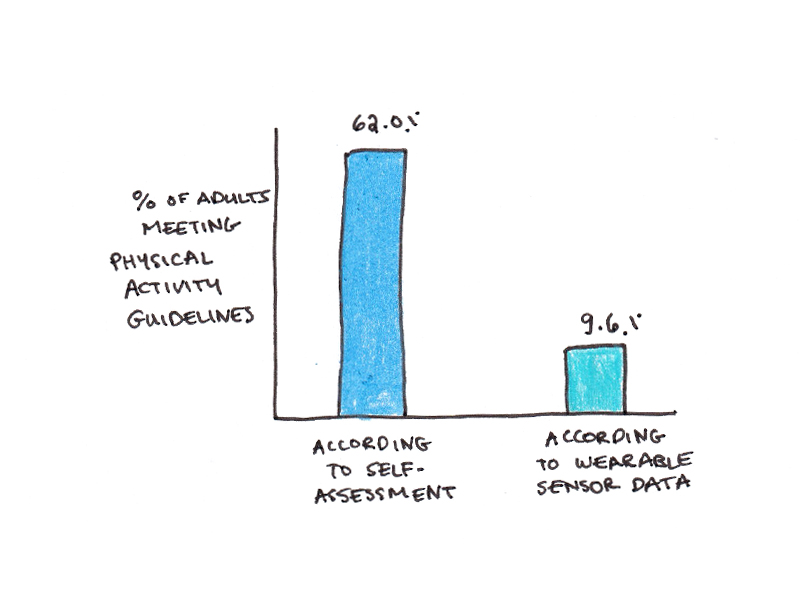
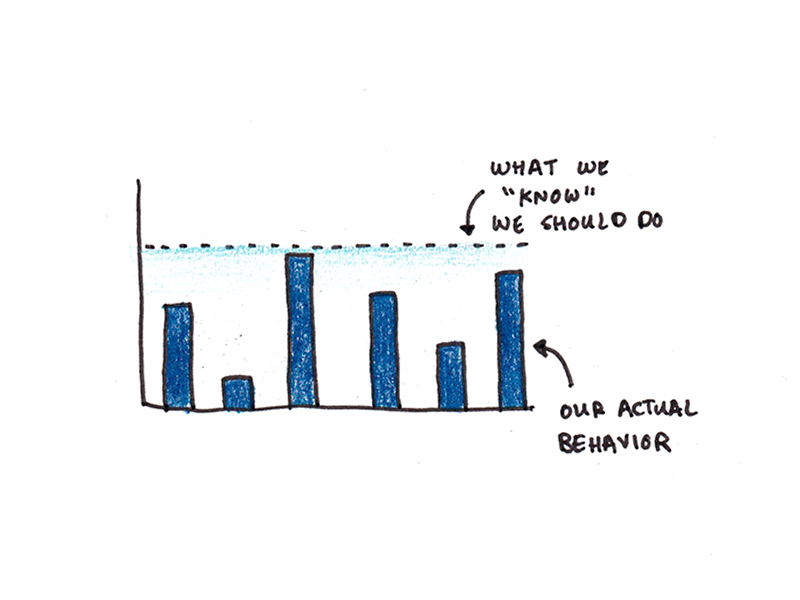
Foundations are practices, which means they’re something you do, not simply something you know or believe. But there is often a gap between our ideals and our behavior. We know we should exercise more, sleep better, read books and maintain our friendships, but we often struggle to be consistent.
Why Work on Foundations?
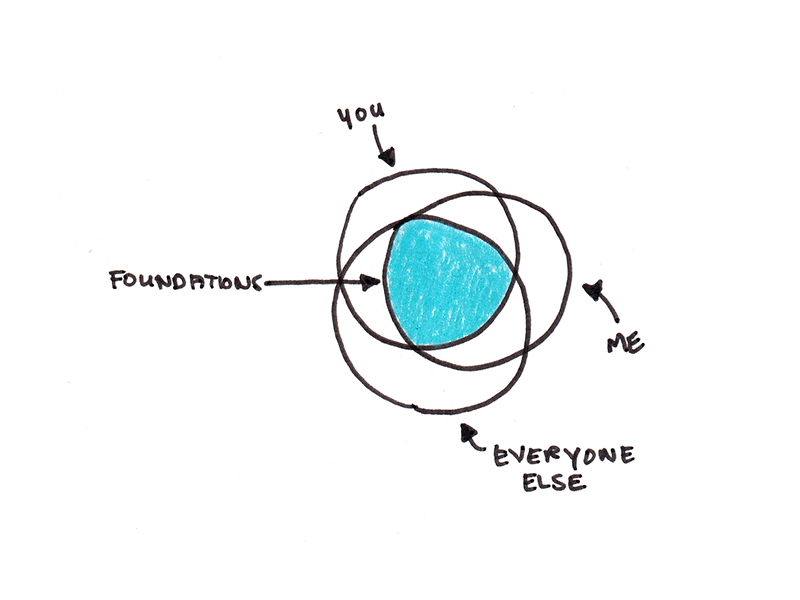
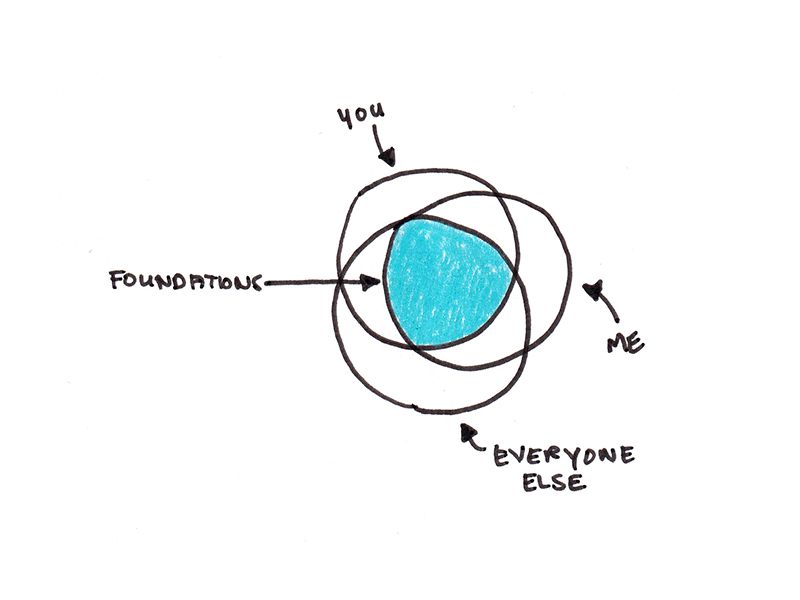
Foundations cannot be delegated or ignored. This means that, contrary to much self-help advice, it’s your weakest foundations—not your strongest—that determine the quality of your life.
Foundations are not automatic. Problems with our foundations often arise from mismatches between our ancestral environment and modern lives. We didn’t evolve to exercise, because for most of history survival alone provided enough activity. Today, with office jobs and car commutes, we benefit from moving more than modern life asks of us, but we don’t have a corresponding urge to be more active.
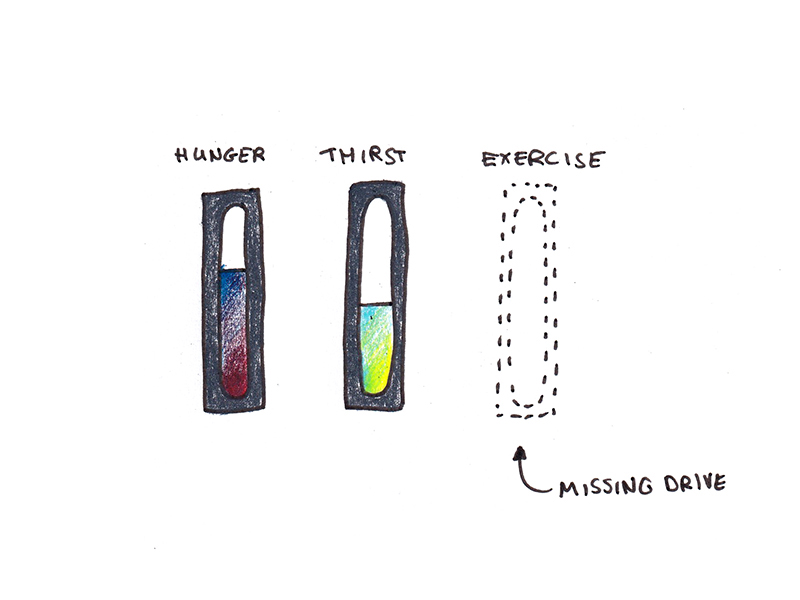
We can find similar examples of this with many foundations that we use in our lives today; they include the fact that we stay up much later than evening hours due to artificial lighting, our lack of satiety when consuming ultra-processed foods, our screen time being a distraction to ourselves and the fact that we had no need for to-do lists or retirement plans when we were living during the Stone Age.
Because we don’t automatically develop and cultivate our foundational systems, developing and maintaining them is extremely important. Creating systems and developing habits doesn’t always require strenuous effort in order to be effective, however without proper maintenance, your foundational systems cannot continue to support your daily life.
These benefits are made even more difficult due to the fact that although foundations must be created and maintained, most people have very little awareness of their existence until they fail. Therefore, many foundations become diminished, neglected and develop a heavy presence in your life, without you having a clear understanding of their origins.
Why Work on Many Foundations in One Year?
Focus is needed to do anything well. And it is required to make improvements in your foundations. While sustaining an exercise routine, managing your money or keeping your work organized aren’t exceptionally difficult, they don’t usually happen unless you make them your priority for at least a little while.
How Can You Strengthen Your Foundations?
There are, of course, lots of ways you could strengthen your foundations. I certainly don’t have a monopoly on advice here. However, the approach that I took in my own project, and that we’ve used with hundreds of students in the first session, looks like this:
Choose one keystone habit to start with, and commit to it for a minimum of 30 days while building a supportive framework around it.
The focused curriculum provides the basis for additional learning and motivation to practice the keystone habit. Knowing the why behind your keystone habit, as well as what you want to achieve with your keystone habit, will motivate your practice. In addition to motivating you, additional learning will also support all other activities that your keystone habit is helping you to build upon.
To be committed and supported in your practice of a keystone habit you need to be accountable to others. For me, being open about my keystone habits and projects has helped me to integrate these activities into my daily life. For the participants in the first session, the community aspect of the project has brought everyone together and provided everyone with a similar experience.
In our year-long program, I’ve worked hard to boil down the essence of what I learned through reading 100+ books, experimenting with my own foundations, and coaching hundreds of students to work on their foundations together. I hope you’ll join me for our second session.
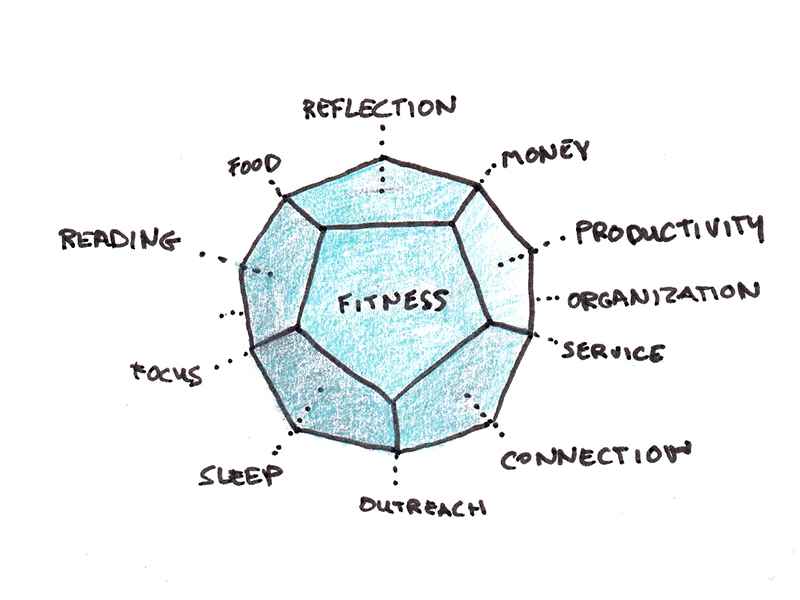
Before I go, I have a question to ask: Of the twelve foundations I covered in my project (Fitness, Productivity, Money, Food, Reading, Outreach, Sleep, Reflection, Connection, Focus, Organization and Service), which do you think is your strongest, and which do you think is your weakest? Write your response in the comments and let me know!