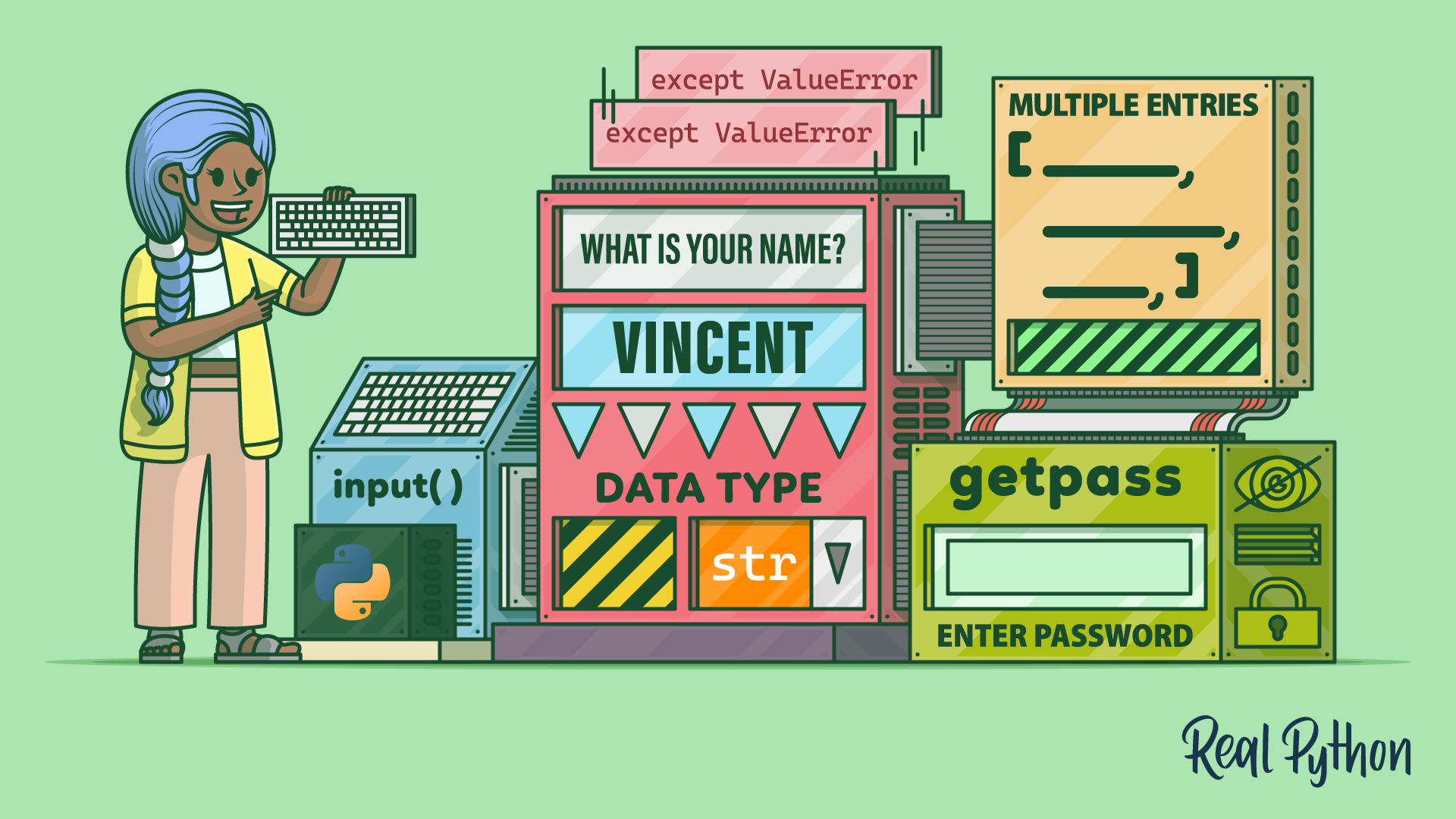
You might frequently want to reply dynamically to user input in order to make your Python scripts more interactive. Gaining the ability to read user input from the keyboard opens up fascinating possibilities and can greatly improve the utility of your programs.
Python’s ability to collect keyboard input enables you to create programs that can react differently depending on the choices, preferences, or information supplied by various users. Instead of only running static logic flows, your code can respond to modifiable conditions by retrieving input and assigning it to variables. This allows applications to be tailored to specific users.
The input() function is the simplest way to get keyboard data from the user in Python. When called, it asks the user for input with a prompt that you specify, and it waits for the user to type a response and press the Enter key before continuing. This response string is returned by input() so you can save it to a variable or use it directly.
Using only Python, you can start building interactive programs that accept customizable data from the user right within the terminal. Taking user input is an essential skill that unlocks more dynamic Python coding and allows you to elevate simple scripts into personalized applications.
- What’s Included
- Downloadable Resources
- Related Learning Paths